

Not every cracked, chipped, or uneven concrete surface needs the same solution.
Some issues can be repaired effectively. Others point to deeper problems that make replacement the smarter long-term investment.
That is why Kent Home Services starts with a full evaluation before recommending concrete repairs. Instead of treating only what is visible on the surface, we look for the underlying cause of the damage so homeowners can make a more informed decision about what comes next.
Why a Concrete Evaluation Matters
Concrete damage is not always as simple as it looks. A surface crack might be stable, or it could be a sign of active movement. Spalling or discoloration may seem cosmetic at first, but in some cases, they can point to moisture intrusion, chemical exposure, or deeper structural issues.
If repairs are recommended without understanding what caused the damage, there is a higher chance the problem will come back.
That is why our evaluation process is designed to answer two questions:
- What type of damage is present?
- What is actually causing it?
Once those answers are clear, it becomes easier to recommend the right next step.
Our Concrete Evaluation Process
A thorough concrete assessment is a multi-step process. At Kent Home Services, that process is focused on identifying both visible damage and less obvious conditions that may affect whether a repair will last.
Step 1: Visual Inspection and Damage Mapping
The first step is a hands-on visual inspection of the affected area. This helps document the type, location, and pattern of distress across the concrete surface.
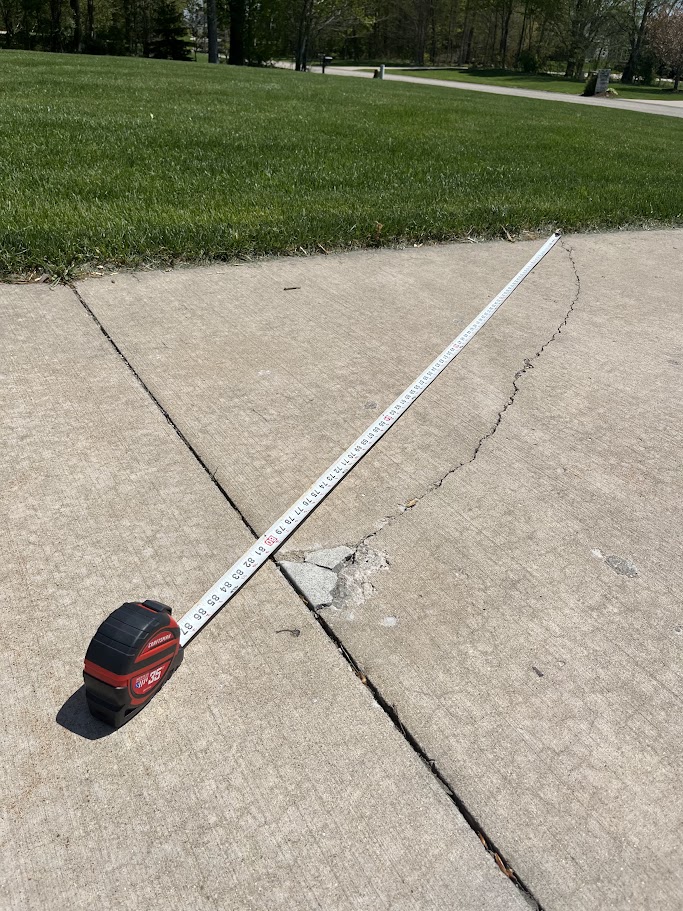
During this stage, we look for:
Crack patterns and movement
We assess the pattern, width, and depth of cracks. One important part of this step is determining whether cracks appear dormant or active. That matters because stable cracks and moving cracks often require different repair approaches and materials.
Surface defects
We check for signs of spalling, scaling, chipping, flaking, or pitting. These surface issues can tell us a lot about the condition of the concrete and whether the problem is limited to the surface or part of a larger deterioration pattern.
Discoloration and moisture signs
Dark patches or white, powdery residue may indicate moisture intrusion or chemical exposure. These signs are important because moisture can affect both the concrete itself and the performance of future repairs or coatings.
Structural alignment
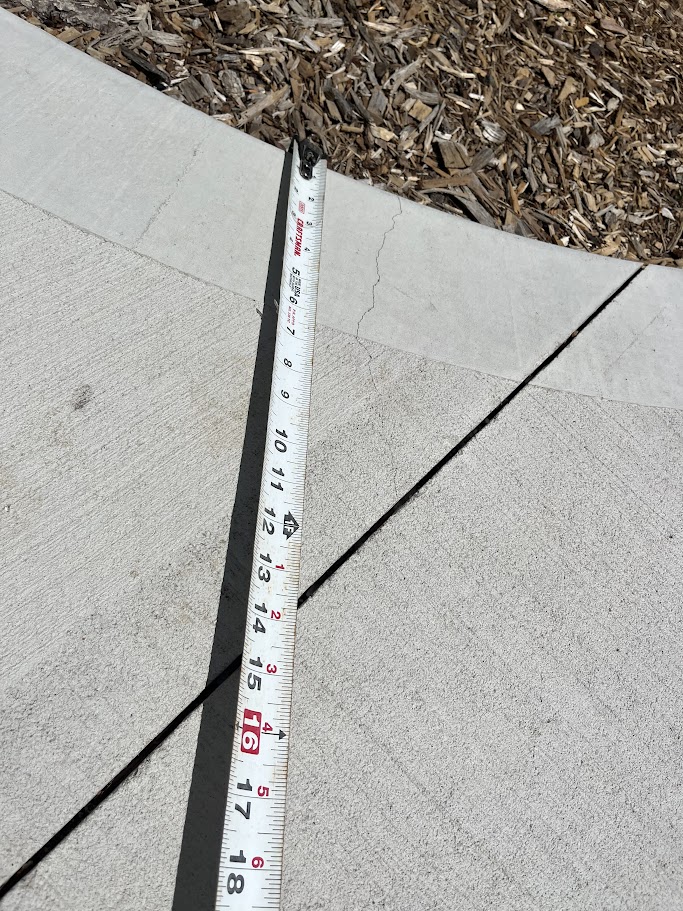
We also look for sunken slabs, uneven joints, or changes in elevation. These can point to subbase issues or shifting support underneath the slab, which may change the recommendation entirely.
Step 2: Physical and Non-Destructive Testing
Some concrete problems are easy to see. Others are hidden below the surface. That is where non-destructive testing can help.
These methods allow specialists to gather more information about internal conditions without tearing into the slab first.
Tools and methods may include the following:
Sounding
Hammer tapping or chain dragging can help identify hollow or dull areas that suggest delamination, which is when internal layers begin separating. This can reveal hidden issues that may not be obvious during a visual inspection alone.
Moisture testing
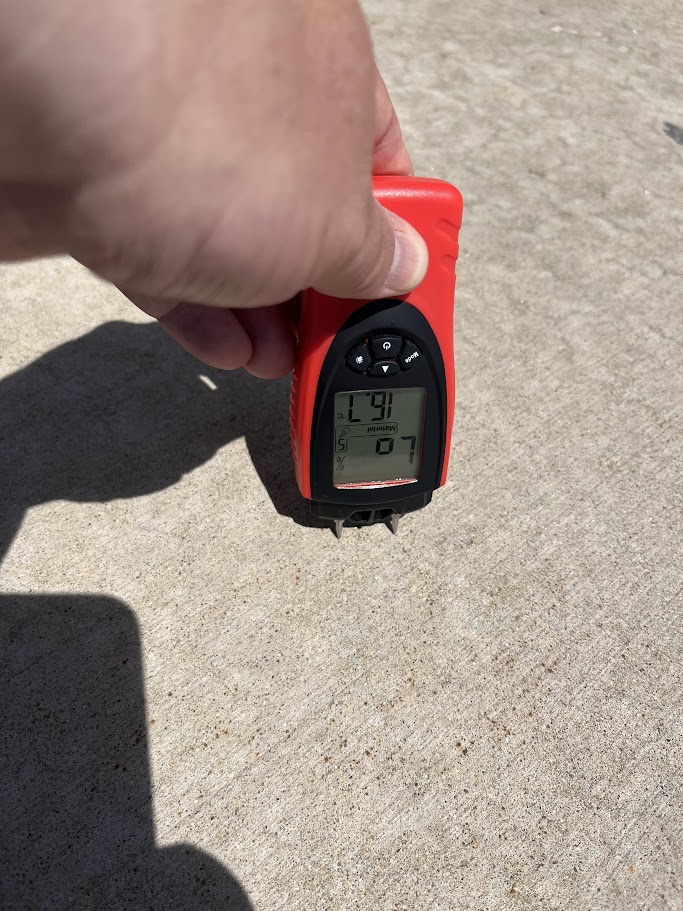
Moisture testing helps determine whether the slab contains too much moisture for coatings or patch materials to bond properly. This is especially important when repairs involve surface treatments or overlays.
Advanced scanning methods
In some cases, Ground Penetrating Radar can help locate rebar and subsurface voids, while infrared thermography can reveal internal heat differences caused by cracks or trapped moisture. These tools are useful when a project requires deeper investigation.
Step 3: Deciding Next Steps
Once the evaluation is complete, the next step is deciding what to do.
That decision is typically based on several factors:
- Extent of the damage
If damage affects more than about 25-30% of the surface, or if structural cracks run through the full slab, replacement is the best option.
- Root cause of the problem
If the real issue is shifting soil, poor support, or another subbase problem, concrete raising with mudjacking or polyurethane foam may be a good option to get the concrete level, or replacement is a great option to fix the underlying issues.
- Long-term cost versus short-term savings
Concrete raising costs less upfront, but that does not always make it a better value. Part of the evaluation process is comparing the expected life of a repair against the cost and durability of full replacement.
What Homeowners Can Take Away From This
The biggest takeaway is that visible damage does not tell the whole story.
Two surfaces may look similar from the outside, but need completely different solutions.
That is why evaluation comes first. It helps avoid spending money on the wrong solution and gives homeowners a clearer idea of what will actually hold up over time.
Common Signs Your Concrete Should Be Evaluated
Homeowners should consider a professional concrete evaluation if they notice:
- cracking that seems to be spreading or widening
- sunken or uneven slabs
- flaking, scaling, or pitted surfaces
- dark patches or white residue on the concrete
- water pooling in certain areas
- recurring damage after previous repairs
Several of these signs are directly referenced in your draft as part of the evaluation process because they can point to deeper issues beneath the surface.
FAQs About Concrete Evaluation and Replacement
How do you know if concrete should be replaced?
That depends on the extent of the damage, the underlying cause, and the likely lifespan of a repair. According to the draft, if damage covers more than 25 to 30 percent of the surface or structural cracks go through the slab, replacement is often the more cost-effective option.
What types of problems can a visual concrete inspection reveal?
A visual inspection can help identify crack patterns, surface defects like spalling or scaling, discoloration linked to moisture or chemical exposure, and alignment issues such as sunken slabs or uneven joints.
Is a free concrete evaluation available?
Kent Home Services offers free evaluations and estimates with experienced concrete specialists.
Start With the Right Recommendation
If your concrete is cracking, chipping, sinking, or showing signs of wear, the next step isn’t always obvious from the surface alone. Kent Home Services carefully evaluates concrete before making recommendations, so homeowners can make decisions based on actual conditions, not guesswork.
Call Kent Home Services at 616-209-3608 to schedule your free evaluation and estimate for your concrete project.