

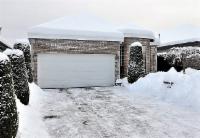
In this seasonal concrete maintenance guide, we’ll explain how weather affects concrete and what you can do to protect it year-round.
Your concrete may seem like a solid slab that can take anything, but Michigan weather has other ideas.
From brutal freeze-thaw cycles to hot, humid summers, each season brings its challenges for your driveway, patio, or walkway. And while concrete is strong, it’s not immune to the elements.
Winter: Freeze-Thaw Damage and De-Icing Hazards
Let’s start with the season that’s hardest on your concrete: winter.
As temperatures drop below freezing, water seeps into cracks or pores expands when it freezes, causing your concrete to crack or flake over time. This is known as freeze-thaw damage, and it’s especially common in older, unsealed slabs.
While de-icing salt might keep you from slipping, it can also be brutal on your concrete.
Winter Concrete Tips:
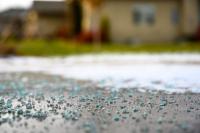
- Use a concrete-safe de-icer (avoid rock salt)
- Keep surfaces swept to prevent snow and ice buildup
- Apply a high-quality concrete sealer in the fall for protection
- Never use metal shovels that can scratch the surface
Spring: Water, Runoff, and Settling Soil
Ah, spring… the season of rain, thawing ground, and puddles where you don’t want them.
Poor drainage or erosion can cause your concrete to settle unevenly or crack as the soil under your slab shifts and softens. Plus, runoff water can sneak under unprotected edges and wash away the base beneath your driveway or patio.
Spring Concrete Tips:
- Make sure the edges of your concrete are backfilled to prevent runoff
- Check for drainage issues around your home
- Repair hairline cracks before water gets in
- Watch for new low spots or pooling.
Summer: Heat Expansion and Surface Damage
Concrete expands when it heats up. That’s totally normal. But it can buckle or crack if it doesn’t have room to move.
On top of that, sun exposure can wear down your sealer, and any spills (oil, rust, mulch) can leave permanent stains in the summer heat.
Summer Concrete Tips:
- Sweep regularly, heat bakes in debris stains faster
- Reapply sealer if it’s been more than 2–3 years
- Avoid heavy loads during peak heat
- Water nearby landscaping to prevent dry soil shrinkage under slabs
Fall: Prep Time and Preventive Care
Fall is your chance to get ahead of winter damage. Think of it as concrete’s back-to-school season. Fall is a good time to check in, clean up, and button things down before the freeze hits.
Fall Concrete Tips:
- Power wash or sweep to remove stains and debris
- Reseal your concrete if needed (especially if you live in a high-salt area)
- Trim overgrown landscaping to keep roots in check
- Inspect control joints and expansion gaps
FAQ: Weather and Concrete Care
Q: Does snow really damage concrete?
Snow itself isn’t the issue; it’s the freeze-thaw cycle and the salt you use to melt it that can cause trouble.
Q: How often should I seal my concrete?
A good rule of thumb is to reseal every 2–3 years. If water stops beading on the surface, it’s time to reseal.
Q: What’s the best time of year to pour new concrete?
Late spring through early fall is ideal. The temps are stable, and you avoid freeze-thaw issues during curing.
Q: My concrete cracked after winter. Should I be worried?
If the crack is wider than ¼ inch or the slab is uneven, it’s worth having us check it out.
Q: How do I protect decorative or stamped concrete from sun damage?
Keep it sealed and clean. UV exposure, especially on exposed patios, can fade colors and wear down finishes.
Final Thoughts: Weather Happens. Protection Helps.
Concrete is strong, but it’s not indestructible.
And in Michigan, the weather throws everything it’s got at your driveway, patio, or porch.
With a bit of seasonal maintenance and the proper preventive care, you can keep your concrete looking great and holding strong, no matter what Mother Nature is up to.
If you’re not sure what your slab needs this season, give us a call. We’ll take a look and help you prep, repair, or protect your concrete the right way.